

Fertility care doesn’t look anything like it did twenty years ago, and that’s genuinely good news if you’re on this journey right now. The fertility technologies available to couples today mean you’re no longer stuck choosing between waiting it out and travelling to a metro city for proper treatment. Centres like Srujana Multispeciality Hospital & IVF Centre — the first IVF centre set up in Kakinada, and in the state — brought that level of care closer to home. Once you understand what each of these technologies is actually doing behind the scenes, treatment stops feeling like a black box and starts feeling like a plan you can actually follow.
The Core Fertility Technologies in Andhra Pradesh, Explained Simply
Let’s start with IUI, or Intrauterine Insemination — the most straightforward of the bunch. It’s exactly what it sounds like: washed, concentrated sperm placed directly into the uterus right around ovulation. It’s usually the first thing doctors try for mild fertility issues or when there’s no obvious explanation for why conception isn’t happening. Next is ICSI, or Intracytoplasmic Sperm Injection, where an embryologist injects a single healthy sperm straight into an egg. This one usually comes up when male-factor infertility is part of the picture, or when a previous IVF cycle didn’t result in fertilization. Then there’s IVF-ET — fertilization happens outside the body, in the lab, and the resulting embryo gets transferred into the uterus once it’s ready. It’s generally reserved for more complicated situations, like blocked fallopian tubes. And finally, vitrification — a rapid-freezing method that preserves eggs and embryos with very little damage, which is what gives patients the option to pause treatment or space it out without losing viability.
How These Technologies Actually Improve Your Odds
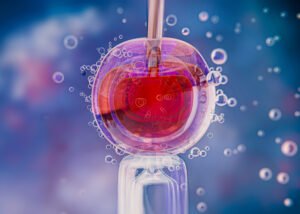
Each one is solving a different piece of the puzzle. ICSI gets around sperm-related barriers that IUI simply can’t fix on its own. Blastocyst culture — growing embryos for five or six days before transfer instead of two or three — gives embryologists a much better look at which embryo is actually the strongest, rather than transferring early and hoping for the best. That extra window tends to improve implantation rates noticeably. Vitrification, meanwhile, matters most for patients who need to preserve fertility for medical reasons, or who’d rather freeze embryos from one cycle and use them later instead of starting the whole process over from scratch.
Choosing a Centre with the Right Fertility Technologies in Andhra Pradesh
Here’s the thing about equipment — it only matters if the people using it know what they’re doing. At Srujana, specialists with more than 20 years of experience build each treatment plan around the individual patient’s diagnosis, instead of defaulting straight to whichever option sounds the most advanced, and not coincidentally, costs the most. A clean, well-run facility matters too, but so does having counseling support and patient groups available, because this journey is rarely just physical. The best centres treat it as both.
Find Out Which Option Actually Fits You
The right choice among today’s fertility technologies in Andhra Pradesh comes down entirely to your specific diagnosis—there’s no single best option that works for everyone. The team at Srujana Multispeciality Hospital & IVF Centre in Kakinada can walk you through a proper evaluation and tell you exactly which technology makes sense for your situation. Book a consultation to get started.
People Also Ask
What is the difference between IVF and ICSI?
In standard IVF, sperm and egg are simply placed together, and fertilization happens on its own in the lab. With ICSI, an embryologist injects a single sperm directly into the egg—usually the recommendation when sperm count or quality is an issue, or when a previous IVF cycle didn’t lead to fertilization.
Is egg or embryo freezing available in Andhra Pradesh?
Yes. Vitrification — that fast-freezing method mentioned earlier — preserves oocytes and embryos with strong survival rates once they’re thawed, so patients can delay treatment or reuse embryos from an earlier cycle.
Which fertility technology actually has the highest success rate?
There isn’t one universal answer here — it really depends on what’s causing the infertility in the first place. A proper diagnostic workup is what tells you whether IUI, ICSI, or IVF-ET is likely to work best for your specific case.
Are advanced fertility technologies expensive?
Cost depends on the treatment type and how many cycles are realistically needed. An upfront, transparent consultation helps you understand real costs for your specific situation, instead of assuming the most advanced option is automatically the right, or only, choice.