
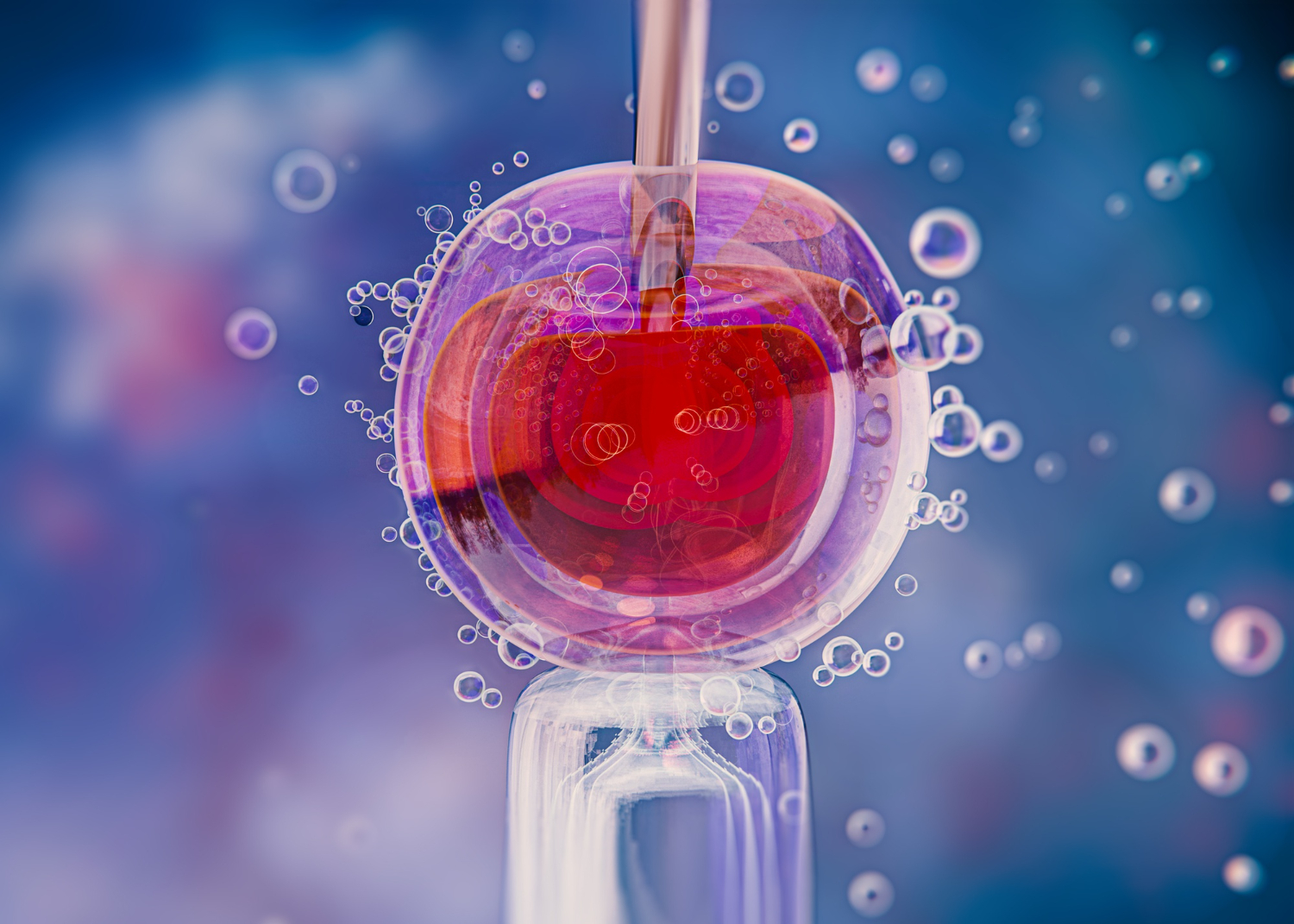
Intrauterine insemination (IUI) is a method of artificial insemination, which is a fertility treatment that places sperm directly in a woman’s uterus. The IUI treatment procedure in Andhra Pradesh entails the proper preparation and placement in order to increase the likelihood of conception.
In a natural conception, the sperm have to go a long way, starting from the vagina, passing through the cervix, going into the uterus, and finally reaching the fallopian tubes. Only 5% of the sperm are able to travel from your vagina to your uterus. Once your ovary releases an egg, it travels to your fallopian tube. This sperm is placed directly into your uterus with a catheter (thin tube), putting it closer to your fallopian tubes. The IUI Treatment Process in Andhra Pradesh makes it easier for the sperm to reach an egg because it cuts down on the time and distance it has to travel. This increases your chance of becoming pregnant.

What are the steps of the IUI treatment process?
Every treatment plan and healthcare provider may have a slightly different process. The IUI Treatment Process in Andhra Pradesh typically includes the following steps at Srujana Hospital:
Ovulation
Your healthcare provider at Srujana Hospital will need to know exactly when you’re ovulating. The timing of ovulation is critical to make sure sperm is injected at the right time.
Determining the time of ovulation can be done using an at-home ovulation prediction kit that detects luteinizing hormone (LH). Your healthcare provider can also detect LH in blood tests. They may also use transvaginal ultrasound to look for signs of mature eggs. Sometimes, you’re given an injection of human chorionic gonadotropin (HCG) or other fertility medications to make you ovulate one or more eggs. Ovulation typically occurs around 10 to 16 days after the first day of your period.
Insemination (inserting the sperm into your uterus) usually occurs within 24 to 36 hours after LH is detected (either in your blood or urine) or after the HCG injection.
Semen sample preparation
Your partner provides a fresh sperm sample on the day of the IUI Treatment Procedure in Andhra Pradesh at Srujana Hospital. In some cases, your partner can provide the sample before, and your healthcare provider can freeze it until it is time to be used. If you’re using a sperm donor, the sample will be thawed and prepared.
Sperm is prepared for insemination through a process called “sperm washing” that pulls out a concentrated amount of healthy sperm. If you’re using donor sperm, the sperm bank usually sends sperm that’s already washed.
Insemination
The insemination procedure is simple and takes just a few minutes. You’ll lie down on the exam table. Your healthcare provider will insert a speculum into your vagina, similar to what happens during a Pap test. Next, a catheter is inserted through your cervix into your uterus. Finally, your healthcare provider injects the washed sperm sample into your uterus. You may be asked to lie down for 10 to 30 minutes after insemination. Pregnancy happens if sperm fertilizes an egg and the fertilized egg implants in the lining of your uterus. You may be given progesterone after IUI. Progesterone helps maintain the lining of your uterus and can improve the chances of implantation. You can take a pregnancy test approximately two weeks after IUI.
Please consult with your healthcare provider at Srujana Hospital to get the best understanding of the IUI Treatment Process in Andhra Pradesh and what to expect.
What can you expect after IUI treatment?

There are some mild symptoms that you can experience after IUI:
- Mild cramping.
- Spotting for one or two days.
Most people will return to normal activities right away. You should avoid anything that makes you feel uncomfortable after IUI, but there usually aren’t any restrictions. A pregnancy test can be taken around two weeks after IUI.
Conclusion
It is not impossible to get pregnant; now fertility has become easier with prominent IUI treatment. Now the dreams can come true with the help of IUI. While the IUI procedure might sound simple on the surface, it involves a lot of planning, timing, and emotional investment. Understanding the IUI Treatment Procedure in Andhra Pradesh helps you walk into the process with clarity and confidence. If you’re ready to take your next step, we’re here for you.
FAQ
-
How to increase the IUI success rate?
To increase IUI success, focus on following your doctor’s guidance for fertility medications and precise ovulation timing, maintaining a healthy lifestyle with a balanced diet and moderate exercise, and managing stress through practices like yoga or meditation. The male partner should also focus on improving sperm quality through healthy lifestyle choices.
-
Is bed rest necessary after IUI?
No, strict bed rest is not required after IUI, but you should take it easy and avoid strenuous activities like heavy lifting for the first few days. You can typically resume your normal, light activities like walking, desk work, and light housework on the same day or the next day.
-
What age is best for IUI?
The best age for IUI is in your 20s to early 30s, as success rates are highest due to better egg quality and more predictable ovulation. While success is still possible in your mid-to-late 30s, rates begin to decline, and after age 40, IUI success drops significantly. Fertility specialists often recommend moving to IVF directly after age 40.
-
Which cycle of IUI is most successful?
The most successful IUI cycles are often the 3rd to 4th cycle, as the cumulative success rate increases with each attempt. A single IUI cycle typically has a 10–20% success rate for younger women, but by the 3rd cycle, the cumulative chance of pregnancy can increase to 25–45%. Most successful pregnancies occur within the first three to four cycles.